Home Plumbing Maintenance and the Warning Signs to Address Before a Remodel
A seasonal home plumbing maintenance checklist, plus the conditions worth having a licensed plumber evaluate before starting a Colorado kitchen, bath, basement or addition remodel — from a general contractor's perspective.
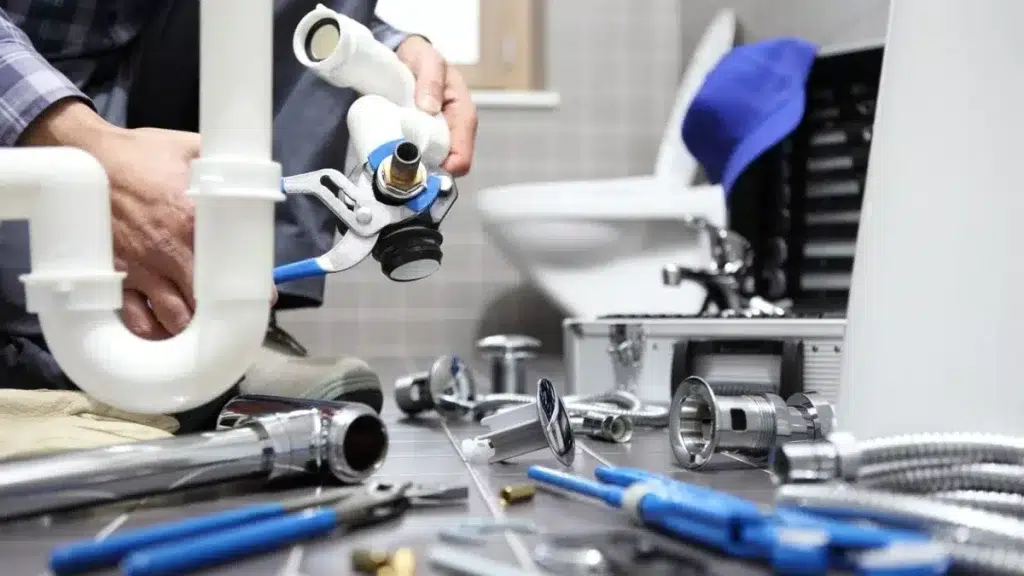
Before starting a Colorado kitchen, bath, basement or addition remodel, have a licensed plumber inspect the house for eight conditions: main line performance, water pressure at fixtures, water heater age and venting, drain venting and cleanouts, supply piping material (particularly polybutylene), branch drain slope, hose bib and outdoor line freeze protection, and any visible corrosion or leaks at existing joints. Any of these can turn a defined remodel into a scope-change conversation mid-project. Catching them during scoping is cheaper — and preserves the design.
Routine maintenance is what keeps most of those conditions from becoming emergencies in the first place: a short seasonal checklist, covered further down, catches the majority of them early.
This is written from a general contractor's perspective. Diagnosis, sizing and repairs are performed by a licensed plumber; our role is coordinating what they find into the remodel.
Why plumbing questions belong at scope, not framing
Once walls are open, the choice is either a change order or a design compromise — usually both. Kitchen and bath remodels frequently uncover undersized branch lines, missing cleanouts, or vents run to no code path. Basement finishes routinely surface a main line that cannot handle a new bathroom group. Additions expose supply and drain routing that has to change to serve the new footprint. A plumber's evaluation before finish scope is committed lets those items get priced, drawn and permitted rather than discovered mid-demo.
Eight warning signs worth investigating before you sign
- Slow drains in multiple fixtures. Localized slow drainage often points to a branch problem; multiple slow drains often point to the main line or venting.
- Water pressure that varies between fixtures. Pressure differences across the house can indicate scaling in galvanized runs, a pressure-reducing valve issue, or a partial supply-line restriction.
- A water heater more than 10 years old, or a tank in a location with no drain pan. Age plus location drives whether replacement should be scoped into the remodel.
- No accessible cleanouts. A drain system without cleanouts is one that becomes a demolition project the first time it needs service.
- Polybutylene supply piping. Cream-colored plastic supply with copper crimp fittings — most common on 1978-to-1995 homes — has documented failure history and should be evaluated before finish work covers it.
- Branch drains with visible sag or reverse slope. Sagging PVC or ABS in a crawlspace or basement ceiling is a common source of intermittent backups.
- Hose bibs that were not blown out and drained before a hard freeze. Split lines behind an exterior wall often surface as leaks at the first thaw.
- Green or white crusting at soldered joints. Corrosion at joints suggests either water chemistry issues or long-standing slow leaks.
Kitchen remodels
Kitchens most often surface three plumbing decisions: whether to relocate the sink, whether to add or move a dishwasher, and whether the disposal branch and vent are adequate for the new layout. Any island sink in Colorado requires careful venting because loop and island vents have specific code requirements. Scope those decisions with a licensed plumber before cabinetry is ordered — moving a sink after templating is expensive.
See kitchen remodeling for how we typically sequence trades on a Colorado kitchen.
Bathroom remodels
Bathrooms surface drain routing (particularly for a moved toilet, which requires a 3-inch drain and specific venting), waterproofing at wet walls, and — on older homes — supply lines that may not comfortably carry a body-spray shower. A licensed plumber walks the existing rough layout before tile scope is set. See bathroom remodeling for the interfaces we manage.
Basement finishes
Basements bring the main line into sharper focus: adding a bathroom group frequently requires either a sewage ejector pump (if the fixtures are below the main) or careful drain slope from a new stack. Confirming this before design lets it be drawn once, permitted once, and installed once. See basement remodeling.
Additions
An addition adds fixtures that were not in the original DFU calculations. On older homes, that can push the existing main and vent stack past their intended load — worth confirming before framing. Coordinate the plumber's walk with the addition scope early enough to bring rerouting into the design set rather than the punch list.
Freeze protection
Colorado's cold snaps expose weak points in exterior plumbing:
- Hose bibs should be frost-free type or have a shutoff and drain-down valve inside.
- Supply lines routed through unconditioned space (rim joists, exterior walls, garage walls) should be insulated or rerouted where practical.
- Irrigation systems should be blown out on schedule each fall.
- Vacation shutoff plans reduce risk during extended absences.
Water quality and softening
Front Range water is generally moderately hard; some Denver metro areas benefit from softening. A plumber can test hardness and recommend equipment. General guidance on residential water systems is published by the U.S. EPA at epa.gov/watersense, and local water utilities publish annual water-quality reports.
A seasonal home plumbing maintenance checklist
None of the following requires a professional, and all of it makes a plumber's eventual visit shorter and cheaper. Anything that involves opening a line, altering gas or water piping, or diagnosing a suspected leak inside a wall belongs to a licensed plumber.
- Every month. Look under kitchen and bath sinks with a flashlight for damp cabinet bottoms, staining or crusting at supply stops. Run water in any fixture that is rarely used so its trap does not dry out and let sewer gas in.
- Every season. Test the main water shutoff so it is not seized when it matters, and make sure everyone in the house knows where it is. Check the water heater's surroundings for moisture and confirm the drain pan and overflow path are clear.
- Every fall, before the first hard freeze. Disconnect and drain hoses, shut off and drain interior valves feeding hose bibs, and have irrigation systems blown out. Confirm supply lines running through unconditioned rim joists, garages or exterior walls are insulated.
- Every spring. Walk the exterior after the thaw looking for hose-bib leaks that only show under pressure, and check crawlspace and basement ceilings for staining under branch drains.
- Once a year. Have a licensed plumber exercise and inspect the water heater's temperature and pressure relief valve, and confirm the expansion tank, if the house has one, is still charged.
- Before any extended absence. Shut off the main and drain down, or at minimum leave the heat set high enough that pipes in exterior walls stay above freezing.
Maintenance does not replace an evaluation before a remodel — a house can be well maintained and still have polybutylene supply lines or a main that cannot carry a new basement bathroom group.
Who does what
- Diagnosis, permitting, rough-in, fixture set and testing: licensed plumber. We do not self-perform licensed plumbing work.
- Design coordination, wall opening, blocking, protection, inspection scheduling and finish carpentry around the rough: general contractor.
Where we fit in
We coordinate the licensed plumber's evaluation into scoping — before cabinets are ordered, before tile is set, before framing closes in. For an example of how that coordination reads on a small-footprint bathroom, see the verified 2023 Denver primary bathroom remodel where the change-order path and inspection points were defined before demolition. Change orders that come out of the plumber's evaluation are documented in writing before work per our written process, and workmanship coverage on our scope is defined in the written contract. To review the general plumbing coordination scope, or to describe a project you are planning, start with a scoping conversation.
Frequently asked questions
- How often should home plumbing be maintained?
- A short monthly look under sinks, a seasonal shutoff and water-heater check, a fall freeze-protection routine before the first hard freeze, a spring walk after the thaw, and one annual professional check of the water heater's relief valve covers most of what matters on a Colorado house.
- What plumbing maintenance is specific to Colorado winters?
- Freeze protection. Hose bibs should be frost-free or have an interior shutoff and drain-down valve, hoses come off before the first hard freeze, irrigation is blown out on schedule, and supply lines routed through rim joists, garages or exterior walls are insulated or rerouted where practical.
- Which plumbing warning signs should stop a remodel from being priced?
- Multiple slow drains, pressure that varies sharply between fixtures, polybutylene supply piping, missing cleanouts, sagging branch drains, and corrosion at joints. Each can turn a fixed remodel scope into a change order once walls are open, so they are worth evaluating during scoping.
- Does Abricos LLC perform plumbing work?
- No. Abricos LLC is a general contractor and does not self-perform licensed plumbing work. Diagnosis, permitting, rough-in, fixture set and testing are performed by a licensed plumber. We coordinate that work into the remodel — design decisions, wall opening, blocking, protection, inspection scheduling and finish carpentry around the rough.
Abricos LLC is a Colorado general contractor serving the Denver metro and Front Range. See Littleton, Denver, Aurora, Lakewood, Centennial, or Highlands Ranch for the full service-area list, or get in touch.