15 Front-Yard Xeriscape Ideas for Colorado Homes
Fifteen practical front-yard xeriscape ideas for Colorado homes — ordered the way they should actually be built, from drainage and winter access through hydrozones, mulch and planting — plus the cost drivers and regional differences that decide which ones fit your lot.
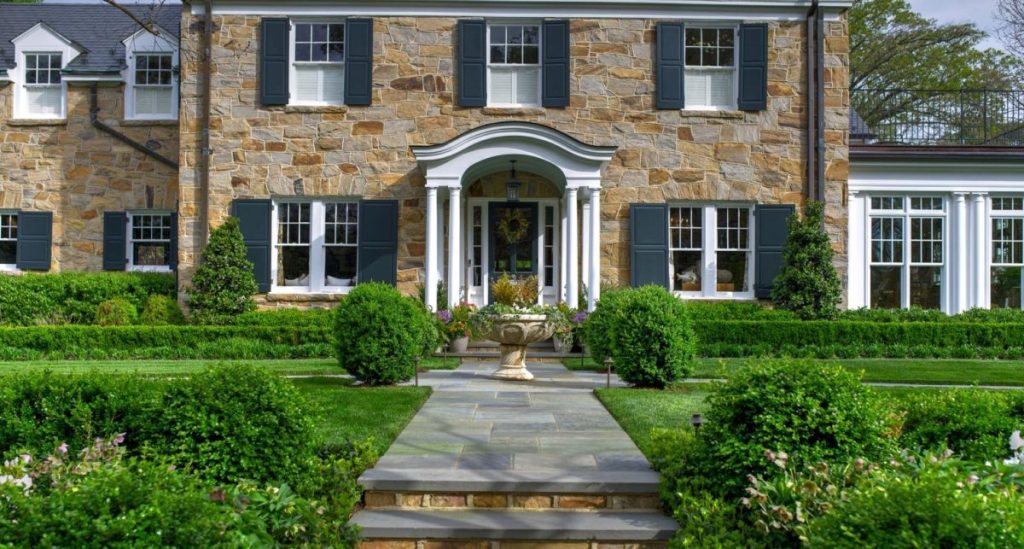
Short answer: a low-maintenance front-yard xeriscape in Colorado is a design method, not a gravel yard, and it works when it is planned in this order: route water away from the foundation, size walkways and steps for winter use, set aside somewhere for plowed snow to go, then group plants into hydrozones so the thirsty ones sit together near the entry and everything else lives on far less water. The 15 ideas below are arranged in that build order rather than by how they photograph. Xeriscape is not gravel and three shrubs — it is a design method with seven principles (planning, soil improvement, efficient irrigation, practical turf areas, appropriate plant selection, mulch and maintenance) originally developed here on the Front Range. Get the water and access decisions right and the planting is straightforward; get them wrong and the finished yard reverses positive drainage, floods the sidewalk during a spring thaw, or leaves nowhere to push snow.
This article is written from a general contractor's perspective: how construction and landscape work should coordinate on the same property. Abricos LLC does not perform landscape installation — where a front-yard plan touches the house itself, that scope is envelope and exterior renovation work or an outdoor living structure.
15 front-yard xeriscape ideas for a Colorado lot
- 1. Fix the first ten feet before anything else. Confirm the ground still falls away from the foundation on every side after the new beds, edging and hardscape are in. Nothing else on this list matters if the yard sends water back at the house.
- 2. Run downspouts past the new work. Extend discharge beyond planting beds and hardscape rather than stopping at the bed edge, where mulch and soil will dam it within a season.
- 3. Add a dry creek or shallow swale where snowmelt collects. A cobble-lined channel gives spring thaw and roof runoff a route to the street or a landscape low point instead of the sidewalk.
- 4. Widen the primary walkway to 4–5 feet. Wide enough for two people, a shovel and boots. Narrow decorative paths get abandoned in January and the lawn edge takes the traffic.
- 5. Design a snow-storage strip. Reserve the two to four feet alongside the drive and walk for plowed and shovelled snow, and plant only material that tolerates being buried in salted snow for months.
- 6. Keep a small, practical turf area instead of eliminating turf. A defined strip or play area of a lower-water species is usually more durable — and easier to sell to an HOA — than an all-rock yard.
- 7. Decompact and amend the soil before planting. Front Range lots are frequently clay-heavy or compacted from construction. Soil preparation does more for plant survival than the plant list does.
- 8. Build three hydrozones, not one. A small higher-water zone at the entry, a moderate zone through the middle, and an outer zone that lives on natural precipitation once established.
- 9. Choose plants from Colorado-specific lists. Native and adapted species selected against your elevation and exposure, sourced from CSU Extension material or a qualified landscape professional rather than a national catalogue.
- 10. Put drip and inline emitters on their own zone. Beds watered separately from any remaining turf, on a controller that can be set to the local provider's watering rules.
- 11. Mulch at a depth that survives wind. Wood mulch in planting beds, angular rock only where wind or foot traffic demands it — and keep rock away from south and west walls where reflected heat builds.
- 12. Use grade and boulders instead of a tall wall. Shaping the slope with placed boulders avoids a structural retaining wall; anything above the jurisdiction's height threshold needs engineering and a permit.
- 13. Pick permeable or broom-finished hardscape. Broom-finished or exposed-aggregate concrete handles snow removal; permeable pavers work where the drainage plan can absorb them.
- 14. Light the path at low voltage. Low-voltage path and step lighting is common and generally straightforward; any line-voltage circuit belongs to a licensed electrical contractor.
- 15. Detail the point where the yard meets the house. Porch slabs, stoops, thresholds and deck edges are construction details — flashing, threshold height and stair geometry — and are the interface where landscape work most often causes damage. Our completed ground-level composite deck in Littleton shows that house-to-yard transition handled as construction scope.
A quick comparison of front-yard options
| Front-yard element | Water and upkeep | What drives the cost |
|---|---|---|
| Conventional bluegrass turf | Highest water; weekly mowing all season | Irrigation coverage and ongoing water cost |
| Lower-water turf strip | Moderate water; less frequent mowing | Soil preparation and sod or seed establishment |
| Planting bed with wood mulch | Low water once established; annual top-up | Soil amendment, plant sizes, mulch volume |
| Rock-mulch bed | Lowest water; weeding and occasional refresh | Rock tonnage, delivery, weed fabric decisions |
| Concrete walkway or apron | No water; effectively no upkeep | Square footage, thickness, finish, access for trucks |
| Dry creek or drainage swale | No water; clear debris seasonally | Excavation volume, cobble, whether engineering is required |
| Drip irrigation retrofit | Low water; annual start-up and checks | Zone count, controller, trenching through existing yard |
Costs on a Colorado front yard move with excavation volume, hauling and access, hardscape square footage, rock or mulch tonnage, irrigation zone count, plant size at installation, and whether any wall or grading work crosses the threshold into engineering and permits. We do not publish fixed prices for landscape work, because we do not perform it — get line-item numbers from the landscape contractor who will actually install it.
What a Colorado front-yard xeriscape actually involves
- Hydrozones. Group plants by water need rather than by looks. A small, high-interest zone near the entry can take more water; the outer yard is planted with species that survive on natural precipitation once established.
- Soil first. Front Range soils are frequently clay-heavy or compacted from construction. Amending and decompacting before planting does more for plant survival than the plant list does.
- Practical turf, not zero turf. Turf has real uses — a play area, a strip that handles snow storage. Reducing it to where it is used, and choosing a lower-water species for what remains, is usually more durable than eliminating it entirely.
- Efficient irrigation. Drip and inline emitters to beds, separate zones for separate water needs, and a controller matched to local restrictions. Design and installation belong to a qualified irrigation professional.
- Mulch depth that survives wind. Wood mulch or angular rock at meaningful depth. Rock over the whole yard raises reflected heat considerably against south and west walls — worth planning around rather than defaulting to.
- Maintenance is not zero. Low-water is not no-maintenance. Weeding, seasonal cutback, drip-line checks and occasional deep winter watering during dry spells all continue.
What this article is, and what it is not
Abricos LLC is a general contractor. We do not self-perform landscape design, irrigation design, grading engineering, arboriculture or specialty planting. Substantive landscape work is best handled by qualified landscape designers, licensed landscape contractors and, where soils or drainage are involved, appropriate civil or drainage engineers. What we can speak to is how construction and landscape scopes fit together — see how we describe that boundary under landscaping and site-work coordination.
Water leaves the house first
Start every conversation at the roof. Where do the gutters discharge? Where does the driveway shed water? Does grade slope away from the foundation on every side, and does it stay that way after the planned hardscape is installed? Landscape choices sit on top of those decisions and can quietly reverse them:
- Downspout extensions should reach past new planting beds and hardscape, not stop at the edge.
- Positive drainage away from the foundation is preserved or improved — never reduced by new beds pushed up against the wall.
- Snowmelt during a spring thaw needs a routed path, not just summer rain.
Any regrading or drainage engineering beyond simple surface adjustments should be reviewed by an appropriate professional — particularly on sloped lots, near retaining walls, or on properties with a history of water in the basement.
Design walkways and steps for winter
Walkways, entry paths and steps are worth planning before plants. Practical criteria:
- The natural line people walk from car door to front door.
- A comfortable primary walkway is generally 4 to 5 feet wide, wider at the entry itself.
- Steps and landings sized for winter use — consistent risers, treads deep enough for a boot.
- Package drop-off, mail delivery and service access.
Where the entry meets a deck, porch or covered structure, the transition is a construction detail: flashing, threshold heights and stair geometry belong to the contractor's scope even when the surrounding landscape is another company's work.
Snow storage is a real design constraint
From roughly November through March the front yard also stores snow. Wherever the driveway and walkways get shoveled, that snow has to land somewhere. Planting beds directly beside the walkway are frequently the answer — which means the plants there must tolerate months of salted, plowed snow. Fragile ornamentals usually do not.
Sight lines and visibility
Where the driveway meets the street, keep sight lines open. Local codes and HOA covenants may set specific rules for corner-lot visibility, mailbox clearances and setbacks. Confirm the requirements that apply to your specific parcel before finalizing a design.
Lighting and irrigation belong to qualified trades
Low-voltage path lighting is common and generally straightforward. Any line-voltage work should be performed by a licensed electrical contractor. Irrigation design and installation belong to a qualified irrigation professional who can respect local water restrictions and site conditions. Ask any landscape contractor how they coordinate with the electrician and irrigation installer, not whether they can "handle it all."
Hardscape and structure
Hardscape — walkways, low walls, driveway aprons — is often the longest-lasting element of a front yard. In Colorado exposures:
- Broom-finished or exposed-aggregate concrete for walkways subject to snow removal.
- Segmental block or natural stone for low retaining walls, engineered where height requires it.
- Permeable pavers where the drainage plan can accommodate them.
Where hardscape ties into the house — porch slabs, stoops, window and door thresholds — the interface is a construction detail and belongs to the general contractor's scope.
Plant selection through appropriate resources
Colorado homeowners have unusually good public resources for plant selection. Colorado State University Extension publishes free horticulture materials tailored to Front Range and mountain conditions at extension.colostate.edu, and pairing that plant list with CSU Extension's watering-efficiency guidance keeps irrigation matched to what those species actually need. Rely on those, or on a qualified landscape professional, rather than on a general contractor's opinion about specific species.
The same principles read differently across Colorado
"Colorado" is not one climate, and a front-yard plan copied between regions usually fails on water rules or exposure rather than on plant choice:
- Denver metro and the north Front Range. Roughly 5,200 to 5,600 feet, clay-heavy soils on many lots, and water providers that each set their own watering-day and irrigation rules. Snow storage and positive drainage away from the foundation tend to be the binding constraints.
- Colorado Springs and the Pikes Peak region. Higher elevation, generally drier, and more wind and hail exposure than the Denver metro. That pushes toward tougher plant material, mulch that stays put in wind, and hardscape and structures detailed for hail. Water rules are set by the local utility and differ from Denver-area providers, so confirm them for your address rather than assuming metro guidance applies.
- Foothills and mountain-adjacent lots. Shorter season, more wildlife browse pressure, steeper grades, and defensible-space considerations that can restrict combustible mulch and plantings close to the house.
Colorado Springs is an extended service area for Abricos LLC — we consider selected larger construction projects there rather than routine local work, and landscape design and planting are handled by qualified landscape professionals in every region.
HOA review
If the home is inside an HOA, front-yard changes almost always require architectural committee review. Submit early — reviews frequently take weeks — and confirm restrictions on turf conversion, xeriscape, tree species, fence heights and lighting before ordering materials.
Sequence heavy construction before landscaping
If the house is undergoing exterior remodeling, siding replacement, or an home addition, sequence the landscape work after heavy trades finish. Lifts, dumpsters and material staging damage finished landscaping predictably. Heavy construction first, hardscape next, planting last.
Common front-yard mistakes
- Bringing planting beds up against foundation walls without preserving positive slope.
- Sizing walkways for summer traffic and forgetting boots plus a snow shovel.
- Installing a decorative border that dams water toward the house.
- Choosing ornamentals where the plow deposits salted snow.
- Skipping HOA submittal until materials are already on order.
Where the front yard is only one part of a larger outdoor plan, our companion article on coordinating decks, patios and landscape work covers how those scopes divide between the construction and landscape contracts. West-metro homeowners planning this work can also see how we approach projects across west-metro Lakewood.
We coordinate exterior and site work across the Front Range; the cities we regularly work in are listed under service areas. Where a front-yard plan touches grading, drainage or hardscape at the house, that construction-side scope is described under how we coordinate landscaping and site work with a build. If you are planning exterior remodeling, window and exterior door replacement or a deck or outdoor structure that will change the front of the house, tell us about the project and we will help scope the sequencing with your landscape team.
Frequently asked questions
- What is xeriscaping, and does it mean a gravel yard?
- Xeriscaping is a planning method for low-water landscapes developed on the Front Range. It covers planning, soil improvement, efficient irrigation, practical turf areas, appropriate plant selection, mulch and maintenance. Gravel over the whole yard is not xeriscape and often raises reflected heat against the house.
- How much water does a Colorado front-yard xeriscape actually need?
- Less than conventional turf, but not none. Plants need regular water through establishment, typically the first one to two seasons, and low-water species still benefit from occasional deep watering during dry winter spells. Grouping plants into hydrozones is what makes the reduction real.
- Do I need HOA approval to convert my front yard?
- In most Colorado HOAs, yes. Turf conversion, rock and mulch types, plant lists and tree species are commonly regulated, and reviews frequently take weeks. Submit before ordering materials rather than after.
- Does Abricos LLC do landscaping?
- Abricos LLC is a general contractor and does not self-perform landscape design, planting or irrigation. We coordinate landscaping and site work when it is part of a broader construction project such as an addition, exterior remodel or outdoor-living build, and we handle the construction interfaces — hardscape at the house, thresholds, decks and drainage away from the foundation.
- Do landscaping ideas from Denver work in Colorado Springs?
- The planning method carries over, but the details do not. Colorado Springs and the Pikes Peak region sit higher, run drier and see more wind and hail than the Denver metro, which favors tougher plant material, mulch that stays put and hardscape detailed for hail. Watering rules are set by the local water utility and differ between providers, so confirm them for your address.
- Should landscaping happen before or after construction?
- After. Lifts, dumpsters and material staging damage finished landscaping predictably. Heavy construction first, hardscape next, planting last.
Abricos LLC is a Colorado general contractor serving the Denver metro and Front Range. See Littleton, Denver, Aurora, Lakewood, Centennial, or Highlands Ranch for the full service-area list, or get in touch.